Synopsis
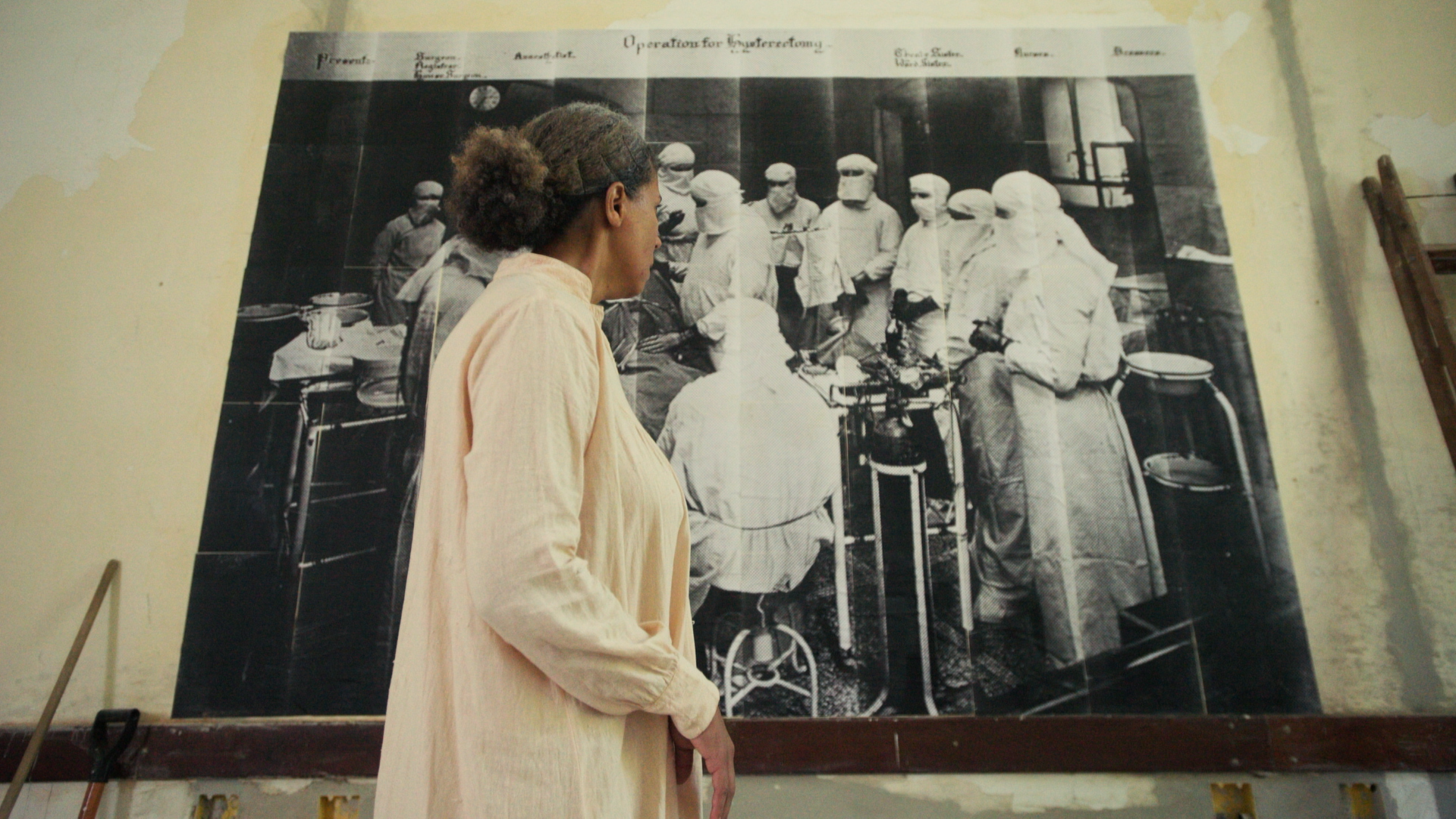
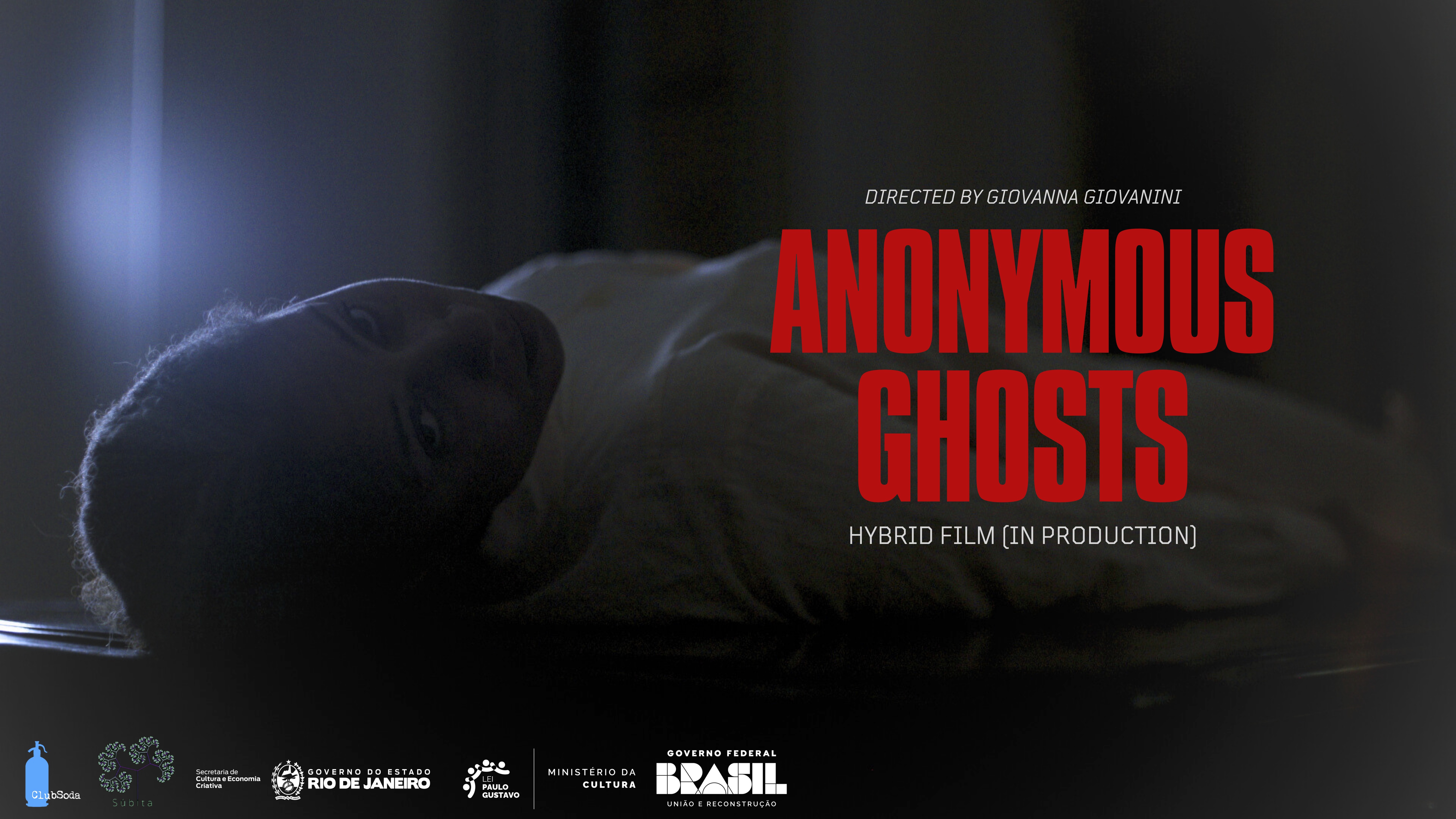
Maria da Conceição, a Black, gray-haired woman in a white nightgown, emerges from nearly a century of patient records of women institutionalized in the former Hospício Nacional de Alienados, a historical palace that is now part of UFRJ. She wanders through the campus corridors, almost invisible, as university workers naturally and humorously share stories of apparitions, voices, and unexplained events. Maria listens. And she begins searching for the fragments of women who disappeared behind diagnoses.
Among archives, rooms, and traces of the former asylum, she finds stories of women institutionalized for wanting to study, refusing marriage, expressing their sexuality, or simply wanting to travel alone. Their bodies were subjected to violent treatments and their lives reduced to words such as “hysterical,” “filthy,” and “incorrigible.”
Maria’s investigation crosses time to meet contemporary women, such as writer Helena Lahis, forcibly institutionalized in 2019, and Rogéria Barbosa, an artist institutionalized as a teenager who found in poetry a way to rebuild her life. Their stories reveal that the struggle over who gets to define a woman’s reality is not a thing of the past.
Between humor, haunting, and the violence of medical archives, Maria transitions from an apparition into a companion to these women. In the very place where so many were confined, students today occupy the hallways. The university lives on atop these stories.
So do the ghosts.

Director’s Bio
I am a director and editor based in Rio de Janeiro. Parallel to my career as a non-fiction film editor, I develop independent film projects. I was selected for Berlinale Talents Buenos Aires in 2020 and received the 2025 Visual Arts Grant for emerging artists from the Escola de Artes Visuais do Parque Lage.
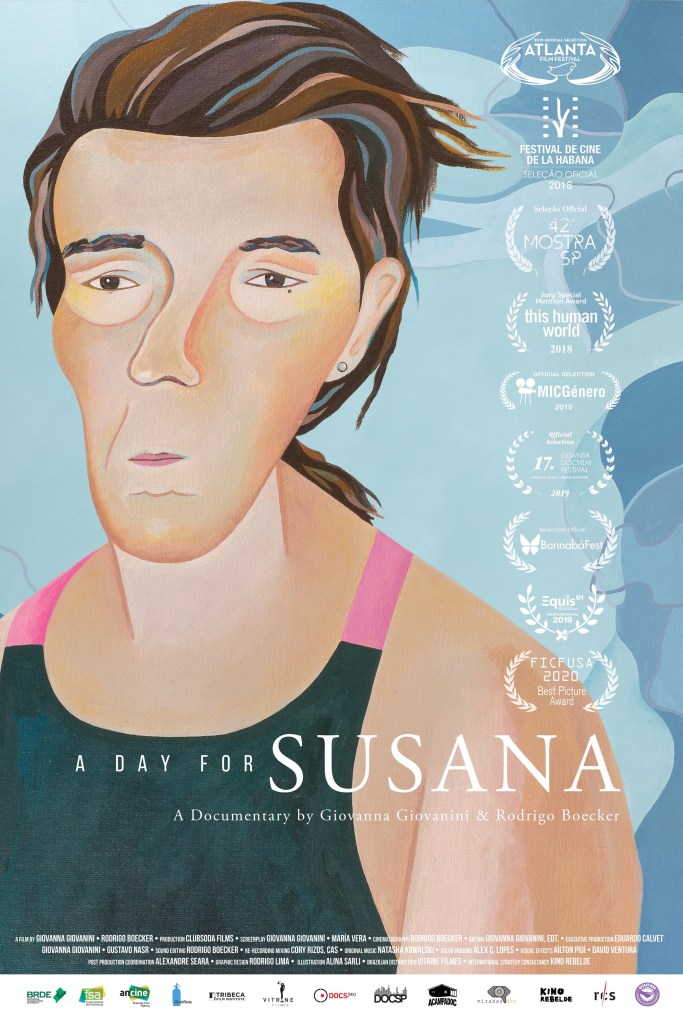
My debut feature documentary, A Day for Susana (2018), was supported by the Tribeca Film Institute and premiered at the 42nd São Paulo International Film Festival. The film screened at festivals including Havana, Atlanta, Gdańsk, and MICGénero, receiving an Honorable Mention at This Human World and winning Best Film at FICFUSA 2020. It was distributed by Vitrine Filmes and broadcast on Canal Brasil and TV Brasil.
My short films Who Killed Chiquito Chaves? (2019), Newsstand Paradise (2021), and From the Observatory they saw me (2024) have screened at festivals such as Tiradentes, Málaga, Atlantidoc, Curta Cinema, Kinoarte, and Bogoshorts. I received the Jury Award at the 22nd Ismailia International Film Festival and Best Brazilian Short Film at the 13th LoboFest.
Currently, I am developing Anonymous Ghosts, supported by Lei Paulo Gustavo, selected for DocsSP Lab 2026, Fantastic:Brasil WomaninFan, and the BGDM MafiaMind Cohort 2026.
I am also developing the short film Observation Pavilion, granted the RioFilme Production Award 2026.
Filmography
• From the Observatory they saw me [2024 – 23min]
27º Tiradentes Film Festival; 31º Vitória Film Festival; 26º Curta Kinoforum;
7º Hecho por Mujeres (Jury Award); 50º Marin County International Film Festival.
• Newsstand Paradise [2021 – 25min]
22º Ismailia International Film Festival (Jury Award); 24º Festival de Málaga;
13º Lobo Fest (Best Short Film Award); 17ª Festival Imagem-Movimento (FIM);
9º Liberation Docfest Bangladesh.
• Who Killed Chiquito Chaves? [2019 – 15min]
Festivals: 13º Atlantidoc; 30º Curta Cinema; 8º Liberation DocFest; 18º Bogoshorts;
11º Macau Intl. Short Film Festival; 8º Ver Cine.
• A Day for Susana [2018 – 85min]
Tribeca Film Institute Fund; DocSP 2015, 42º Mostra Internacional de São Paulo;
40º Festival de Havana; 43º Atlanta Film Festival; 17º Gdańsk Film Festival;
8º MICGénero; 13º This Human World (Menção Honrosa do Júri);
FICFUSA 2020 (Best Film Award).
Director’s Motivation
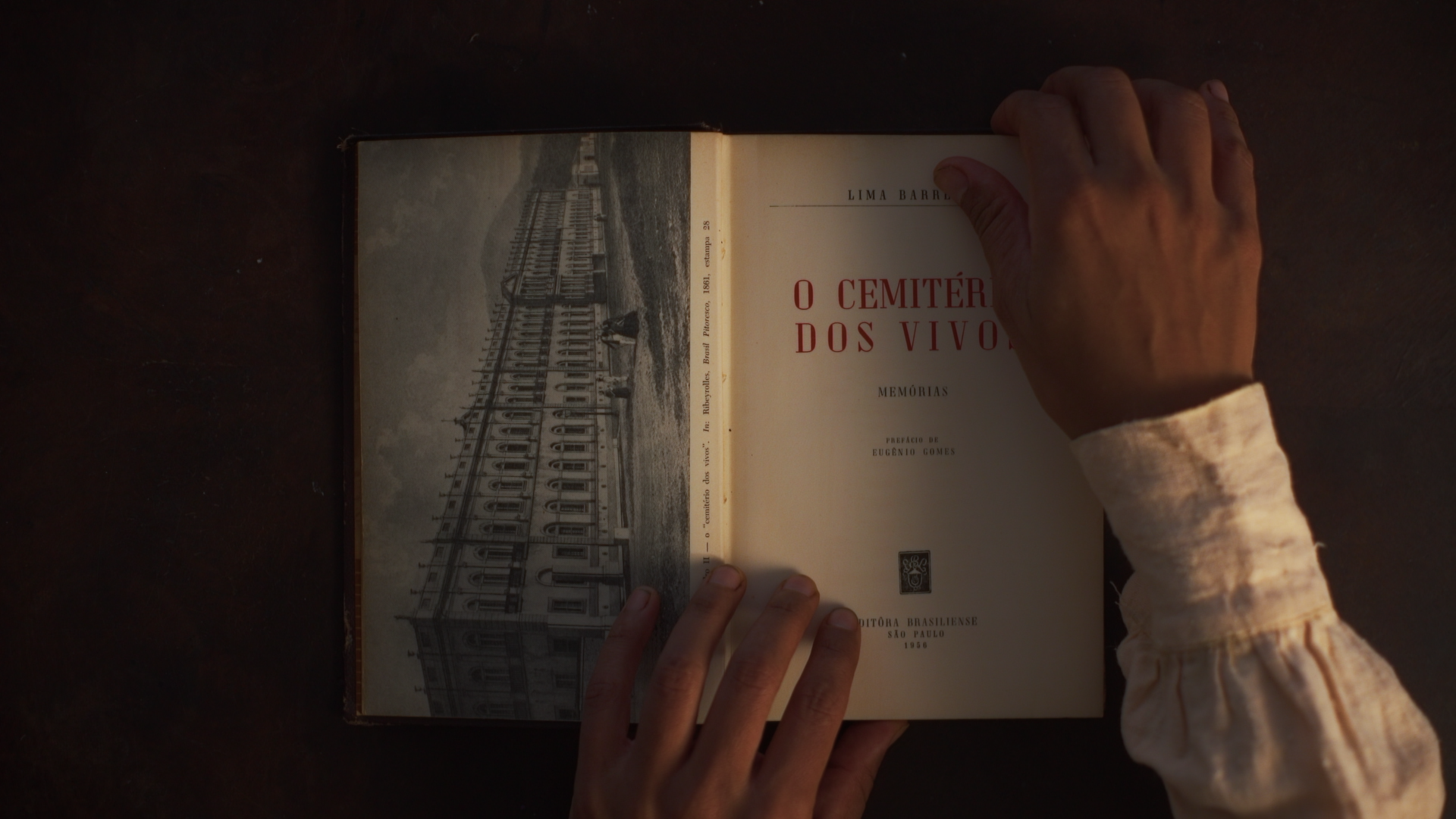
Anonymous Ghosts was born out of silence. I studied at the UFRJ Praia Vermelha campus, yet its history was almost never mentioned; this erasure became the starting point of the film. That institutional silence echoed another silence within my own family. Both of my grandmothers were forcibly institutionalized by their husbands and subjected to violent psychiatric treatments. Their stories reached me in fragments, veiled in euphemisms and omissions, the kind of family knowledge that everyone senses, yet no one directly names. When I began researching the Palace, the boundary between public and personal history collapsed.
The story of the asylum is not over. Involuntary psychiatric commitments are rising once again in Brazil, while women continue to be discredited through diagnoses intertwined with gender, race, class, and expectations around acceptable behavior. Similar patterns appear internationally, from the disproportionate diagnosis of schizophrenia among Black women in the United States to persistent gender biases in hospitalizations across European countries. For me, these continuities raise a central question: who holds the authority to decide when a woman’s refusal, rage, grief, or sexuality becomes evidence that she is no longer capable of speaking for herself?
The archive does not grant us direct access to these women. Most surviving records were written by male doctors and institutions that observed them through the language of pathology. For this reason, I do not treat the archive as a complete or neutral record. Speculative fabulation becomes a way to draw closer to what the documents excluded, without claiming to fully reconstruct lives that can never be completely known. Maria is born from this boundary. She carries silences and fragments pulled from records, not to replace these women, but as a figure through which their absences can become visible.
Artistic and Visual Concept
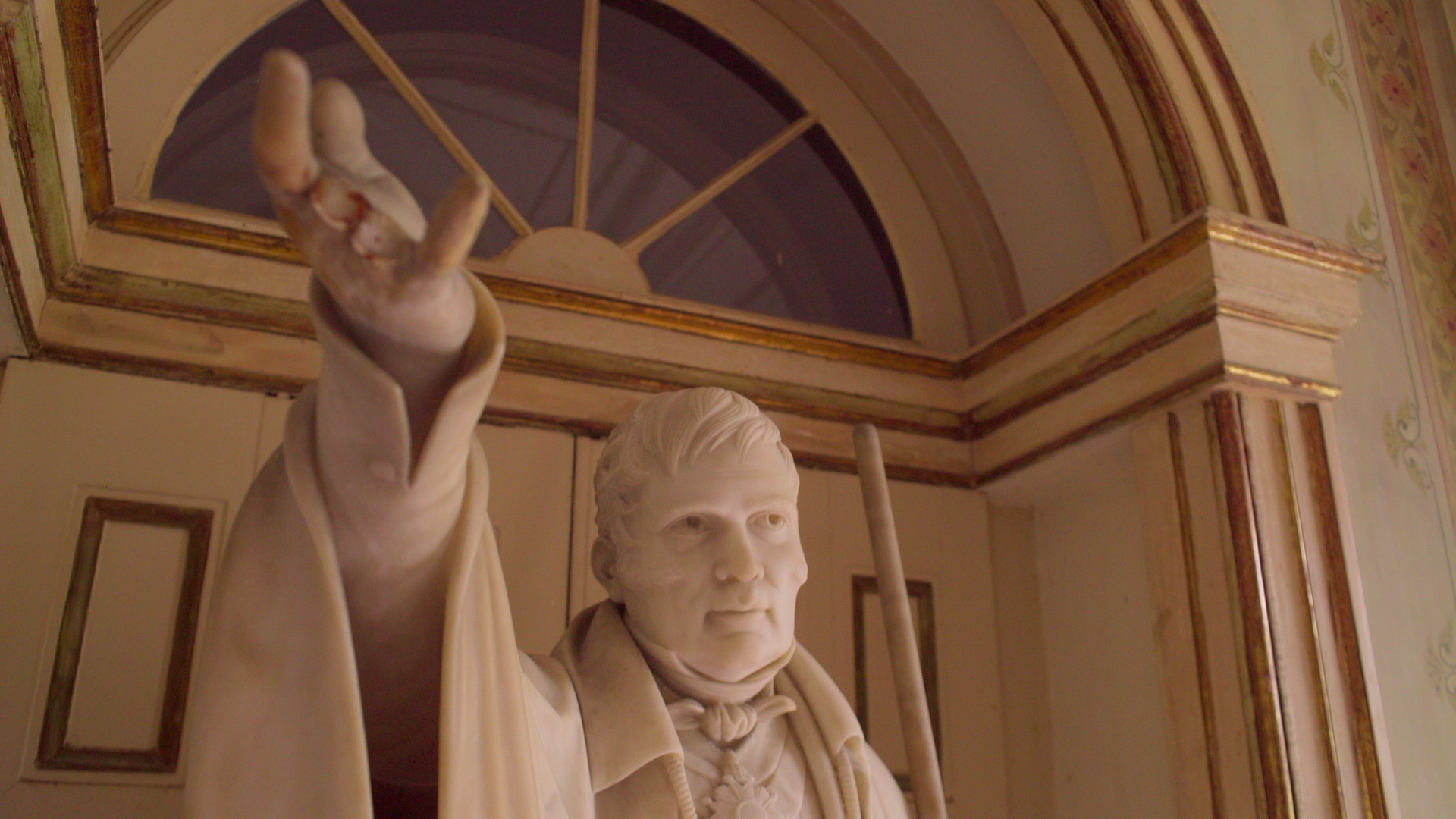
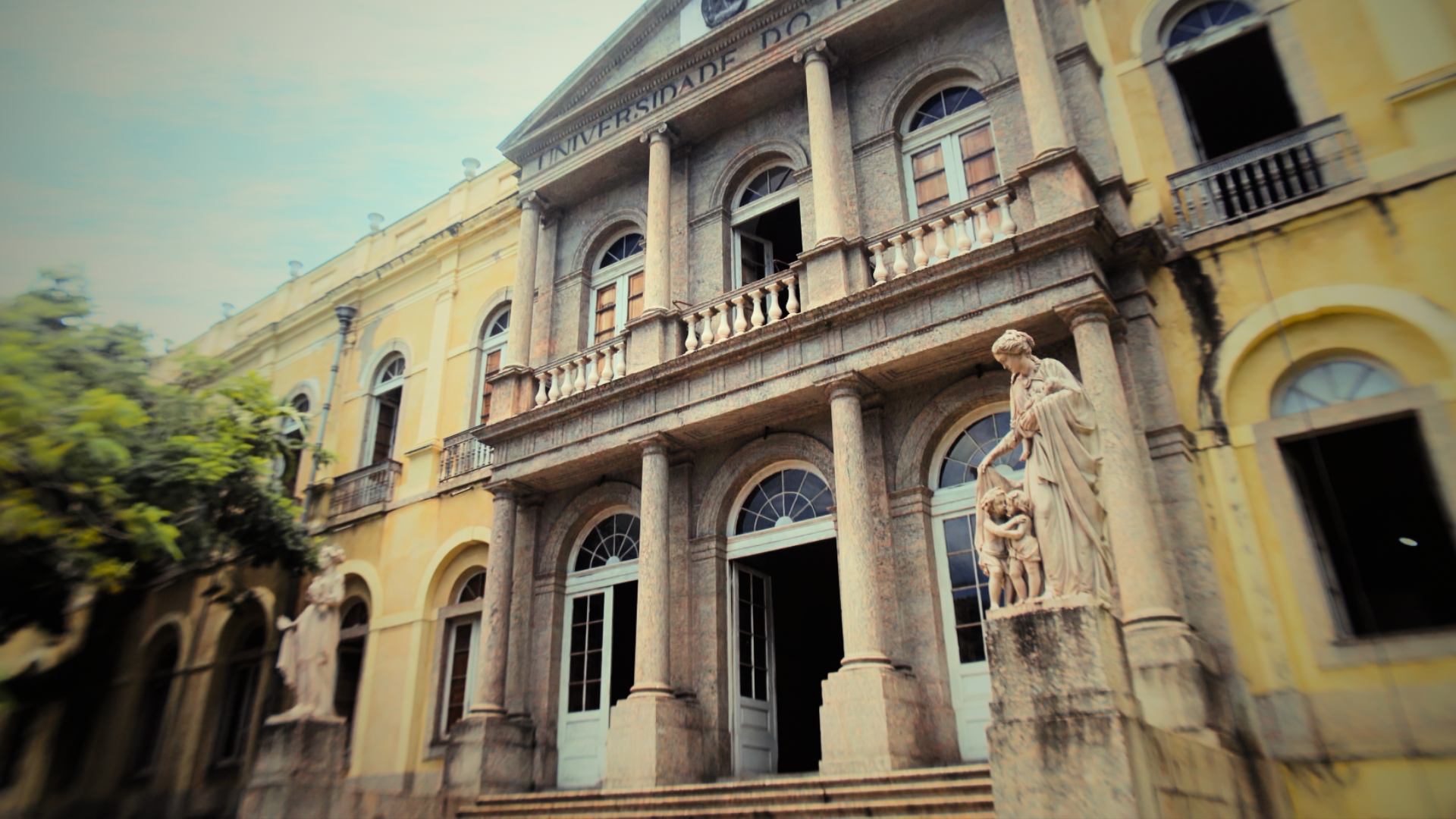
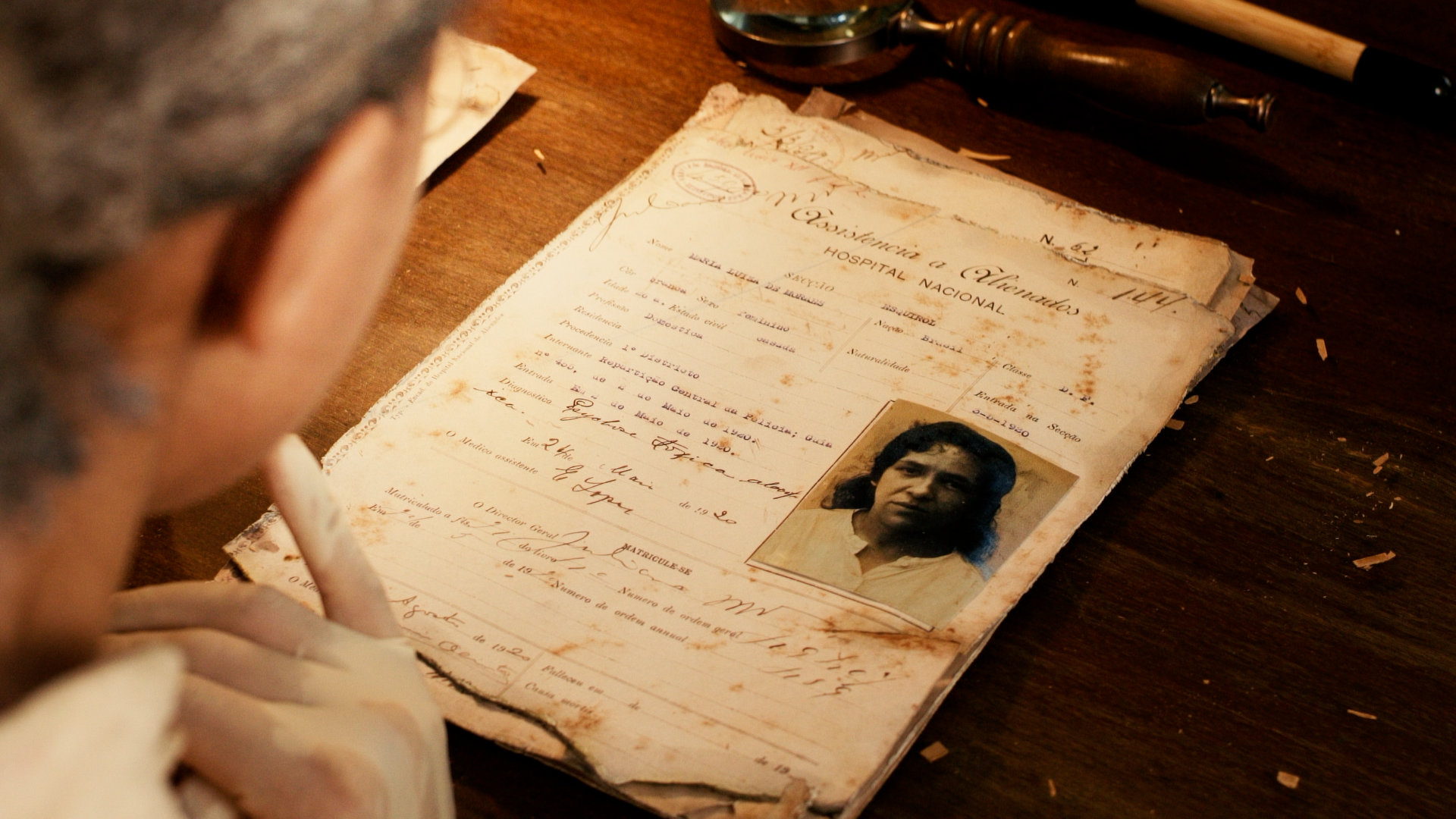
Anonymous Ghosts stems from the idea that places hold memory. Combining observational documentary, historical archives, fiction, and speculative fabulation, the film transforms the former Hospício Nacional de Alienados into a living archive where different temporalities coexist. The Palace itself is one of the main protagonists. Guiding the viewer through its corridors is Maria da Conceição, a fictional character inspired by nearly a century of records of institutionalized women. One of the film’s main formal devices is the use of archival language. Maria’s words are built from historical patient files and psychiatric theses. Medical classifications appear on screen, while the women’s stories take shape through Maria’s voice and performance. Initially, the viewer encounters a sequence of anonymous cases. Gradually, names and photographs interrupt the language of diagnoses, revealing that those abstractions belonged to concrete lives.
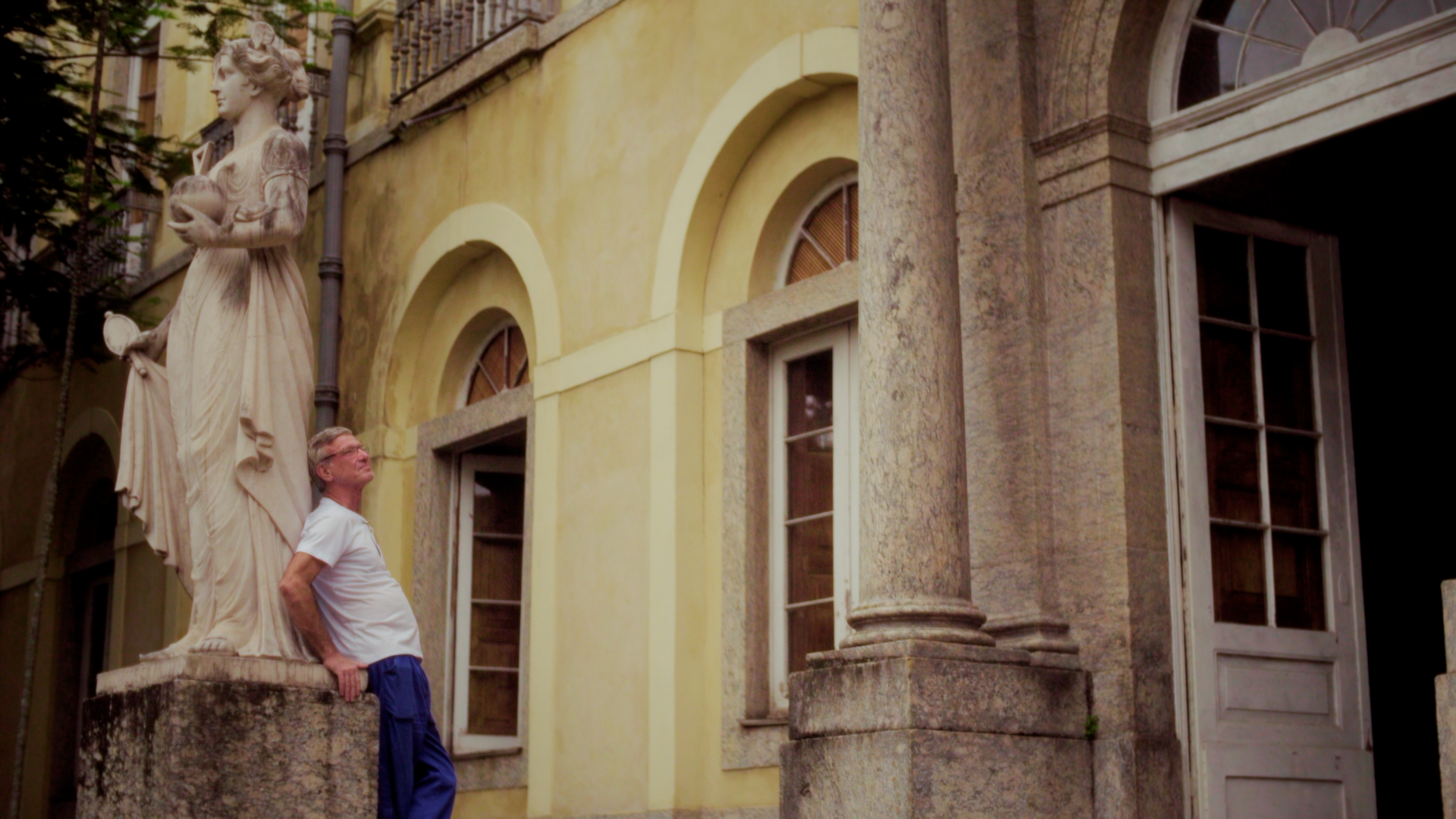
The observational dimension follows university staff members as they share stories of ghosts said to inhabit the building. Told with humor and intimacy, these stories reflect a uniquely Brazilian relationship with the supernatural, where the extraordinary coexists with everyday life. As these narratives accumulate, the boundary between history and imagination becomes porous. Performative interventions take place in the exact spaces where specific historical practices occurred, including a hysterectomy performed on a plush uterus. In the former operating room, two actors replicate the gestures of a clinical procedure. The almost childlike artificiality of the object contrasts with surgical precision, creating an absurd and violent image. The camera remains static, refusing to spectaculariize violence against the body, while Maria observes the scene as both patient and witness.
The film also follows contemporary women whose experiences echo the archives. Through testimonies and subtle encounters with Maria, past and present intersect. What begins as a ghost story gradually reveals itself as an investigation into institutional violence and its present-day consequences.
Visually, the film adopts a fable-like aesthetic built on long, static shots that accentuate the Palace’s architecture. The building is framed through rigid, frontal compositions that emphasize institutional order. Vintage Nikkor lenses introduce subtle distortions and an almost dreamlike softness, reinforcing the coexistence of different temporal layers. Contemporary images initially appear to “illustrate” the archival texts, but gradually form ironic and unexpected associations that expose the absurdity of psychiatric discourse while creating moments of beauty, tension, and humor.
An irreverent tone runs throughout the film, present in the dialogue, score, and editing. The juxtaposition of somber scenes with Gaetano Donizetti’s exuberant opera Lucia di Lammermoor (1835) heightens this irony and sarcasm. The choice is intentional: the opera reproduces the stereotyped image of the hysterical woman. The aim is to evoke an element deeply rooted in Brazilian culture, one that emerges even in the hardest moments: humor.
The project engages with traditions of Brazilian cultural anthropophagy, Afro-Brazilian and Indigenous cosmologies, and Latin American essay film. The haunting, surreal tone of the stories shared by the staff breaks away from linear notions of time tied to colonial modernity. From the perspective of ghosts, it is not a matter of the past returning to the present, but rather of past and present coexisting. In this sense, a European worldview converges with Indigenous and Afro-Brazilian popular traditions rooted in animism, which do not draw rigid boundaries between the spiritual and material realms. The film embraces this perspective, in which the dead become a means of accessing historical memory and confronting erasure.
Clubsoda Films
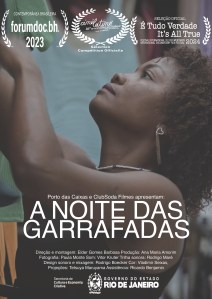
Over the past decade, Clubsoda Filmes has built an author-driven slate of short and feature films that have screened at major national and international festivals. Among its most recent projects is Anonymous Ghosts, a hybrid feature documentary currently in post-production, supported by the Paulo Gustavo Law Fund (SECEC/RJ).
The company is also developing Observation Pavilion, a short hybrid documentary supported by the RioFilme 2026 Production Fund. In 2024, Clubsoda Filmes released the feature documentary Cine Globo which has been selected for Guarnicê 2025, Festival 3 Margens, the 4th Carpina Film Festival, and the 17th Santa Maria Video and Film Festival.
That same year, the short film From the Observatory They Saw Me (2024) won the award at the Caeté Film Festival 2025 and screened at major festivals including the 27th Tiradentes Film Festival, the 26th Kinoarte Festival, the 7th Hecho por Mujeres International Film Festival (where it received an Honorable Mention), the 31st Vitória Film Festival, and the 50th Marin County Fair International Festival of Short Film.
Another recent highlight is The Night of the Bottles (2023), selected for the 36th Cinélatino Toulouse, the 29th It’s All True International Documentary Film Festival, and the 27th Forumdoc.BH, and shortlisted for the Grande Otelo Awards 2025. On Stage (2022) received an award at the 17th Entretodos Human Rights Film Festival. The company also handled the editing and post-production of the hybrid feature Ho Chi Minh’s Rio de Janeiro (2021), which received a commercial theatrical release in Brazil.
In 2021, the short film Newsstand Paradise expanded the company’s international profile through its selection at the 24th Málaga Film Festival, where it also won the Jury Award at the 22nd Ismailia International Film Festival and the Best Brazilian Short Film Award at the 13th LoboFest. The documentary Dominique (2019) continued this trajectory, screening at the Gramado Film Festival, Thin Line Fest, Cine Las Américas, the Tiradentes Film Festival, and Mix Brasil, and receiving the Best Screenplay Award at Curta Paranaguá 2024.
Earlier productions include Who Killed Chiquito Chaves? (2019), screened at festivals such as Atlantidoc, Curta Cinema, and Bogoshorts; and the feature documentary A Day for Susana (2018), supported by the Tribeca Film Institute and the Audiovisual Sector Fund (FSA). The film premiered at the São Paulo International Film Festival and was later screened at Cine Ceará, the Havana Film Festival, and the Atlanta Film Festival, among others, winning the Best Film Award at FICFUSA 2020.
Súbita Films
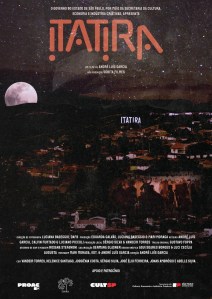
Founded in 2017, Súbita Filmes has built a consistent trajectory in independent cinema with short films such as Lora (2020), Spinning the Wind (Fiar o Vento, 2023), and How Can I Forget Winter? (Como me Esquecer do Inverno, 2024), which have been screened and awarded at major Brazilian and international festivals, including the Kinoforum International Short Film Festival, It’s All True International Documentary Film Festival, Black Nights Film Festival (Estonia), Female Eye Film Festival (Canada), Dublin Independent Film Festival (Ireland), and FESTin – Lisbon Itinerant Portuguese-Language Film Festival (Portugal).
The company’s first feature documentary, Affective Geography (Geografia Afetiva, 2024), received the Doc Brasil Meeting Award at Brasil CineMundi 2018 and was selected for The New York Times Op-Docs Pitch Lab. The project also participated in the industry programs of DocSP (Brazil, 2018), DocMontevideo (Uruguay, 2019), and the Thessaloniki International Documentary Festival – Agora Doc Market (Greece, 2020). The film premiered at Cine PE 2024, where it won the awards for Best Cinematography (Luciana Bassegio and Moraga) and Best Sound Editing. It was also selected for the 14th Filmambiente International Environmental Film Festival and the Earth Film Festival.
The company’s second feature documentary, Itatira (2025), received the ProAC Post-Production Grant in 2022 and was selected for the Lab Imersão DocBrasil at the Tiradentes Film Festival in 2023. The film premiered at Cine PE 2025, where it won the award for Best Sound Editing.
More Equal Films
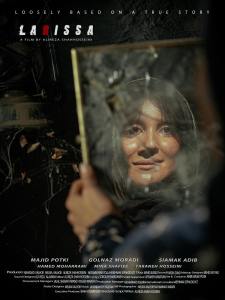
Founded by filmmakers Arash Maleki and Nazanin Nematollahi, More Equal Films is a Los Angeles–based independent production company developing and producing internationally collaborative documentary and narrative films. The company is dedicated to bold, character-driven cinema that explores cultural memory, displacement, gender, artistic resistance, and systems of power, with a particular focus on stories that recover overlooked histories and challenge dominant narratives. Working across North America, Latin America, Europe, and the Middle East, More Equal Films builds long-term collaborations with filmmakers whose work bridges artistic innovation and social relevance.
Its productions have been recognized by leading international festivals and institutions, including the Cinéfondation Official Selection at the Cannes Film Festival, Seattle International Film Festival, Palm Springs International ShortFest, HollyShorts Film Festival, Cinequest, Mill Valley Film Festival, Urbanworld Film Festival, SF DocFest, and the San Francisco International Jewish Film Festival. The company’s films have received honors from the American Pavilion at the Cannes Film Festival, the Platinum Remi Award for Best Foreign Theatrical Feature Film at the WorldFest-Houston International Film Festival, recognition from the Rome Prisma Film Awards, and a nomination for the 41st International Documentary Association (IDA) Documentary Awards.